
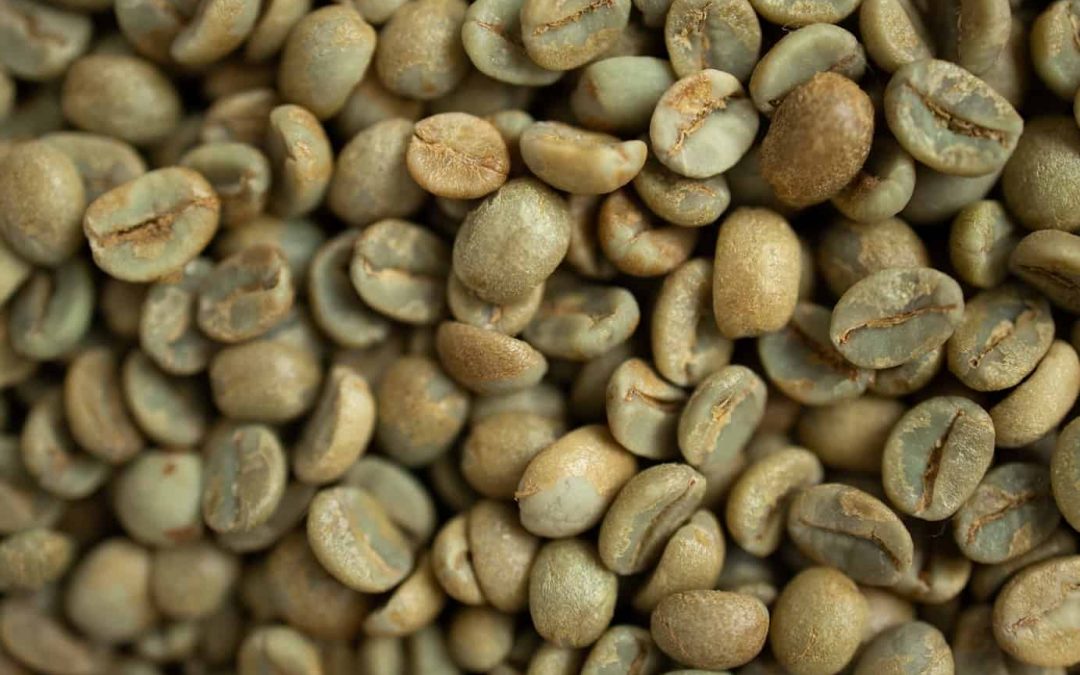
COFFEE TRAVELS A LOT BEFORE IT REACHES US
Scandinavian countries and Germany are often listed as the biggest coffee consumers per capita, although this data can vary depending on the source. While coffee-lovers in these and other countries enjoy their uplifting drinks, the road coffee had to take to reach them was not short and easy.
The trading of green coffee encompasses a complex network of interactions involving producers, exporters, importers, and roasters. Initially, coffee producers cultivate and harvest the coffee cherries, which they then process. These beans undergo milling, sorting, sometimes fermentation, and drying to prepare them for export. The coffee can be sold through different channels, including direct trade, cooperatives, or through intermediaries such as exporters.
Traditionally, importing companies buy large quantities of coffee as they have the resources to finance every step in the coffee transport chain. Some coffee roasters do this also, but they are usually big players with the necessary know-how and capital to pull it off. In the end, it’s the big trading companies who move the bulk of green coffee beans around the globe.
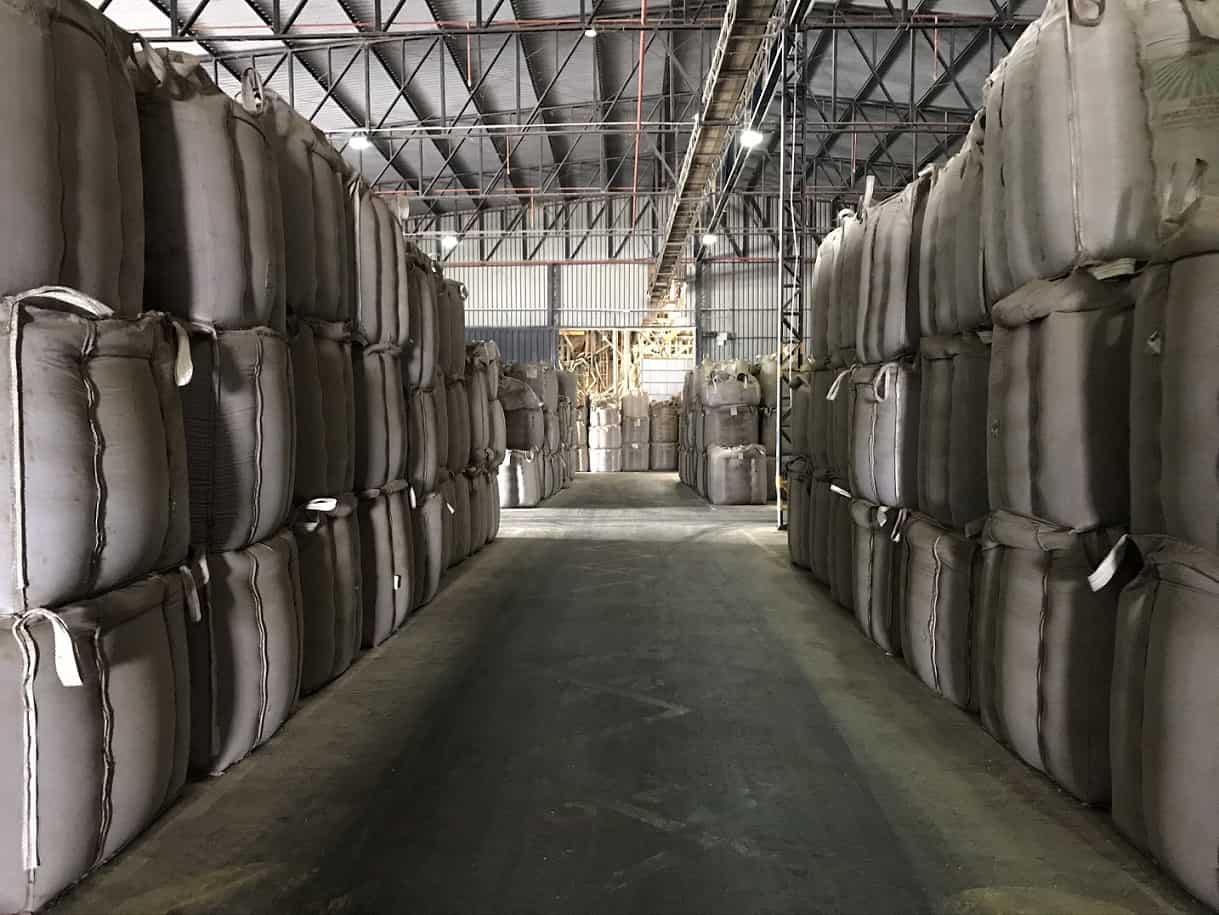
JC Grossi & Filhos coffee warehouse in Brazil
FUTURE CONTRACTS
The traditional approach to coffee trading is based on future contracts. Since coffee is one of the most traded commodities in the world, the price of the standard-quality green coffee is determined on the exchange market – Intercontinental Exchange (ICE). This so-called C Price is highly volatile, reflecting present supply and demand, weather conditions, harvests, geopolitical events, currency fluctuations, and other factors. Situation is more complex in reality since there are many qualities, bean sizes, origins of coffee which influence the final price. Nonetheless, the C price serves as the basis for future contracts.
Green coffee futures contracts provide several benefits to market participants. They offer price transparency and liquidity, allowing buyers and sellers to establish a benchmark price for future transactions. These contracts also enable participants to hedge against price volatility and mitigate the risk of price fluctuations affecting their profitability.
For example, a coffee roaster can enter into a futures contract to secure a specific quantity of green coffee beans at a predetermined price to be delivered on a predetermined date, protecting themselves from potential price increases. Future contracts serve as a financial tool guaranteeing the delivery of a commodity in the future, serving as a risk management tool for coffee industry participants, including producers, exporters, importers, roasters, and speculators.
Although green coffee future contracts are a significant part of the coffee industry, many participants in the market do not plan to actually make a physical delivery of the coffee. Instead, their role is purely speculative with the purpose of hedging their price risks, often exploiting producers in the process. In contrast, many traders want to separate themselves from speculators and sell the beans for what they are actually worth. This approach is especially common in the specialty segment of the coffee industry.
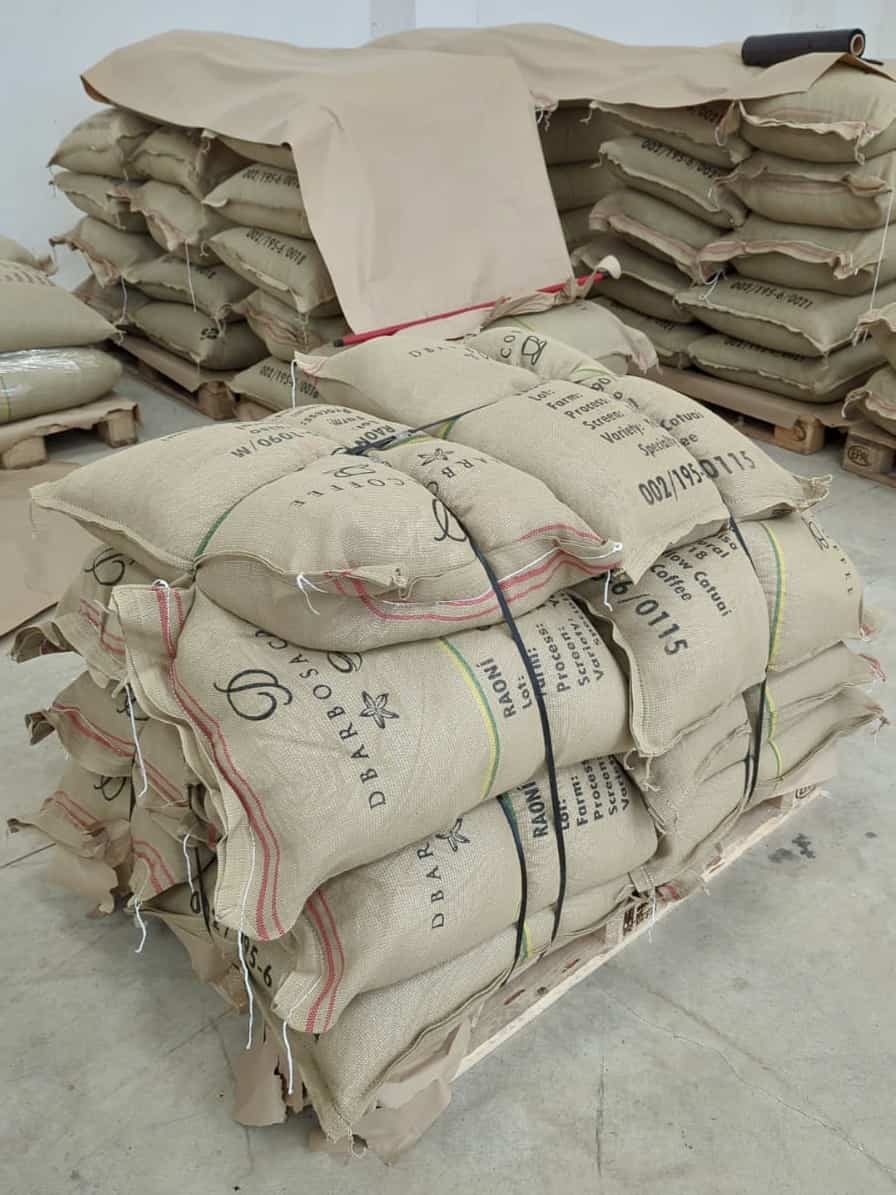
DBarbosa Coffee in a warehouse in Europe
SPECIALTY COFFEE
Specialty coffee refers to high-quality coffee that has been carefully grown, processed, roasted, and brewed to achieve its full potential in terms of flavor, aroma, and overall sensory experience. It represents a departure from mass-produced, commodity-grade coffee that is often associated with lower quality and generic taste – coffee usually found in grocery stores.
These high-grade coffees are often produced on a smaller scale with farmers being extra attentive by employing special farming practices and processing techniques. This includes attention to detail during cultivation, harvesting only ripe cherries, meticulous processing methods, and the careful selection of coffee. Of course, all these steps are null if the roaster or the barista on the other end of the coffee chain treats such coffee like any other.
The demand for specialty coffee has been on the rise due to increased consumer appreciation for unique coffee experiences and a growing interest in supporting sustainable and ethical agricultural practices. Consequently, transparency and quest for fairness along the supply chain have changed the way specialty coffee is traded.

Coffee cupping in Rafael Vinhal’s coffee lab
A PARADIGM SHIFT
While a lot coffee, including specialty coffee, is still traded the traditional way – sold to traders with future contracts and then to roasters from big warehouses in destination countries – more and more traders and roasters approach to selling and buying green coffee in a different manner. Direct trade has emerged as an alternative model supporting transparency, sustainability, and fair prices while also promoting closer relationships between the producers and buyers.
One of the key advantages of this approach to coffee trading is that farmers can receive better pay for their crops. As there are less intermediaries involved, they receive a larger portion of the profit, which they can then reinvest in their farms to improve the production processes and enhance the livelihoods of their communities. Additionally, direct trade promotes long-term relationship where buyers and producers work together to improve quality, sustainability, and social impact.
Such partnerships also enable greater control over the quality of the coffee. Buyers can specify their preferences and requirements in advance, leading to a more tailored and consistent supply of specialty coffee for which they are ready to pay premiums. The downside of this approach is that the producers may become too dependent on their partner. If the partnership breaks up, it can cause serious financial damage. Some in the coffee industry are even speaking up that such partnerships are a new form of colonization since buyers from the first world countries dictate how coffee should be produced.
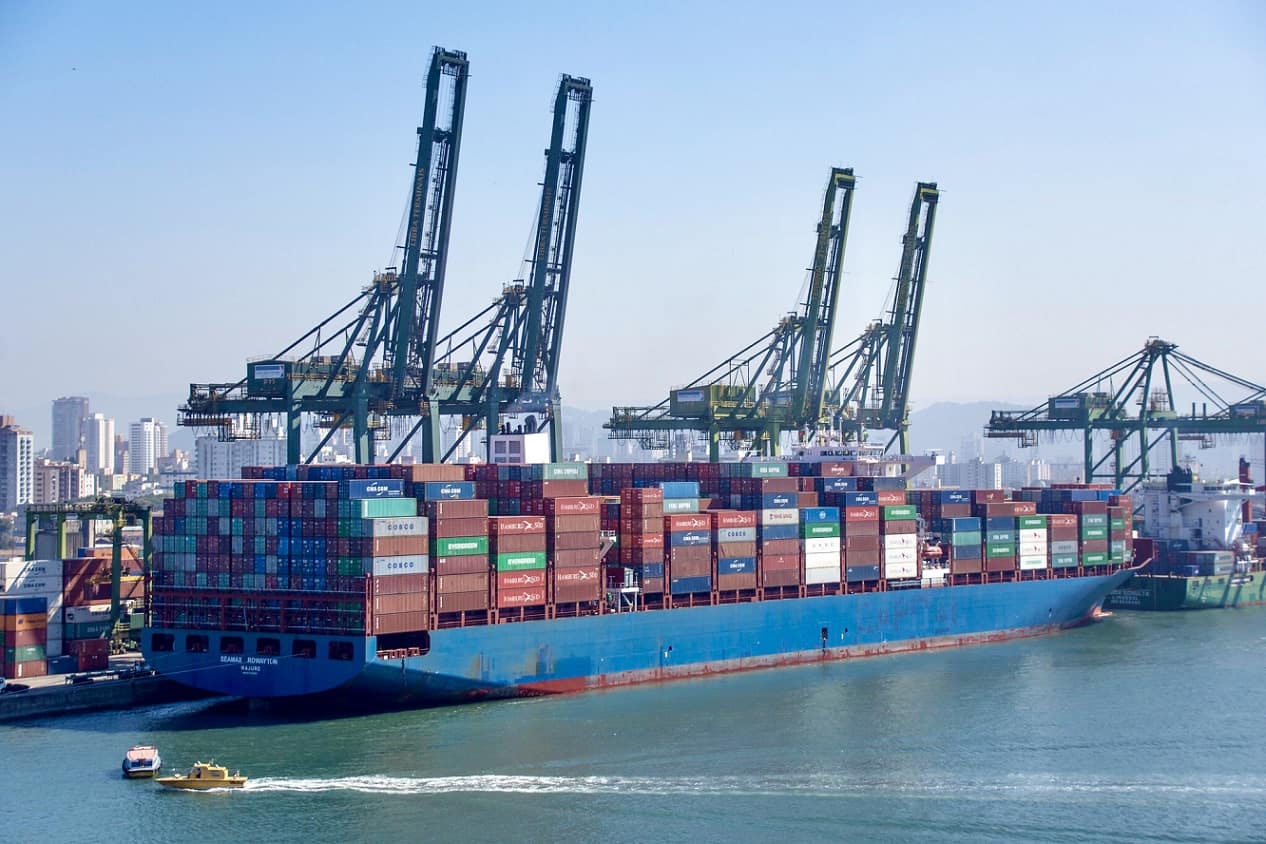
Most of Brazilian coffee is exported through the port of Santos.
CHALLENGES OF BUYING DIRECTLY
While direct trade facilitates the relationship between producers and buyers, it can complicate other aspects of buying coffee, namely logistics. It goes fine as long as the quantities are large, but if all the roaster wants are just a couple of bags of that amazing microlot… that can lead to a big spike in the final price. Exportation costs roughly the same whether we’re talking about shipping 5 bags or 50.
Additionally, smallholder farmers with less than 5 hectares of coffee fields produce over 60 % of coffee. Such producers often lack the resources or infrastructure to participate in direct trade, and it’s simply easier and safer to sell their coffee to a mill or a cooperative who have complex exportation systems in place. Many don’t know the costs of exportation and shipping, and making a wrong estimate can lead to financial loss.
Both roasters and producers will have to talk to exporters, importers, shipping line agents in order to find a good price to ship the bags in question. Dealing with import-export can therefore be incredibly time-consuming. This time could be perhaps better invested in promotional activities of the company or developing the company strategy.
Consequently, logistical hindrances can put a strain on what could otherwise be a fruitful partnership. It is important that both parties know the obstacles they might face when starting a relationship. It might be a good idea to find some other buyers to share a container with. We would also be happy to help strengthen your bond by arranging the transport of your coffee. Contact us at [email protected].