
JC Grossi & Filhos
About Grossi family
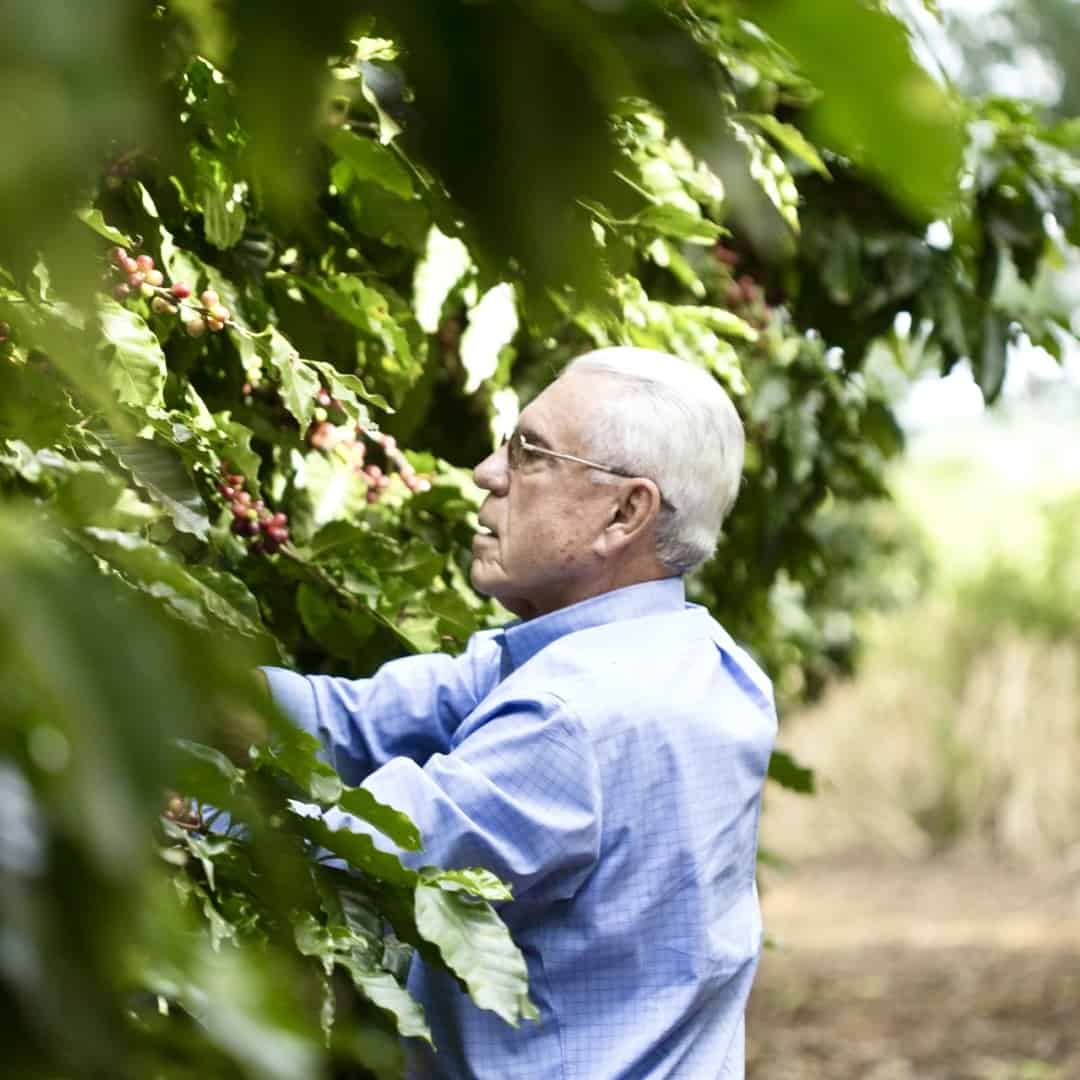
There may be more coffee than blood flowing in the veins of Grossi family. Their coffee roots reach back to 1887 when José Carlos Grossi’s great-grandfather, Luigi Grossi, and his grandfather, Antônio Grossi, came from Italy to Brazil to work in the coffee plantations in the state of São Paulo.
Around 1950, José Carlos’ father, Matheus Grossi, started his first coffee plantation after acquiring a small property in the northwest of Paraná. By that time, coffee was already family business with the aim ofi mproving the quality and productivity of coffee plants.
José Carlos was one of the first producers to venture into the Cerrado. Encouraged by great coffee-growing conditions, he planted his first coffee trees in the Cerrado Mineiro region in 1972, marking the pioneering spirit of the JC Grossi & Filhos brand.
It took José Carlos years of physical and financial input in his crops before he began to reap the rewards of his hard work. But even in 1994, after 20 years of growing coffee in the Cerrado, the relationship between the soil and coffee varietals was still shrouded in mystery, so José Carlos had to do something different if he wanted to grow coffee of remarkable quality.
He set up experimental fields in partnership with some Brazilian institutions to develop genetic materials adapted to the climatic conditions and soil of the Cerrado. Chácara Modelo became the first experimental field to develop genetic materials appropriate to the climatic and soil conditions of the region.
The successful development of the varietal IBC 12 stands out as one of the family’s biggest achievements. In 1995, José Carlos drew up a list of test varietals and named them IBC. The varietal that stood out the most in terms of quality, productivity and bean size was number 12 – the IBC12.
IBC12 spread throughout the Cerrado region since then, and it was launched by the Campinas Agronomic Institute as IAC-125 RN. Grossi family continues to cooperate with institutions, seeking the best coffee varieties adapted to the Cerrado Mineiro, attesting to the persevering innovative approach of the family.
Since 1991, the company has been investing in high quality coffees, seeking consistency in quality and production. In 2005, JC Grossi & Filhos became one of the first individual coffee producers in Brazil and the first in the Cerrado to be certified by Rainforest Alliance and UTZ.
Scroll down for photos and even more information about the producer and their coffee.
Gallery
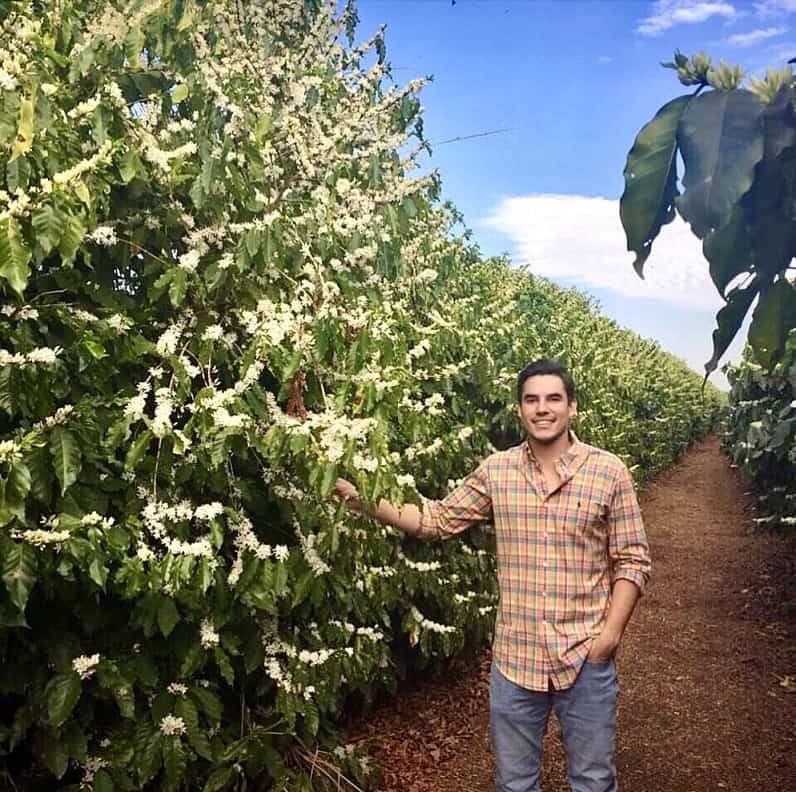
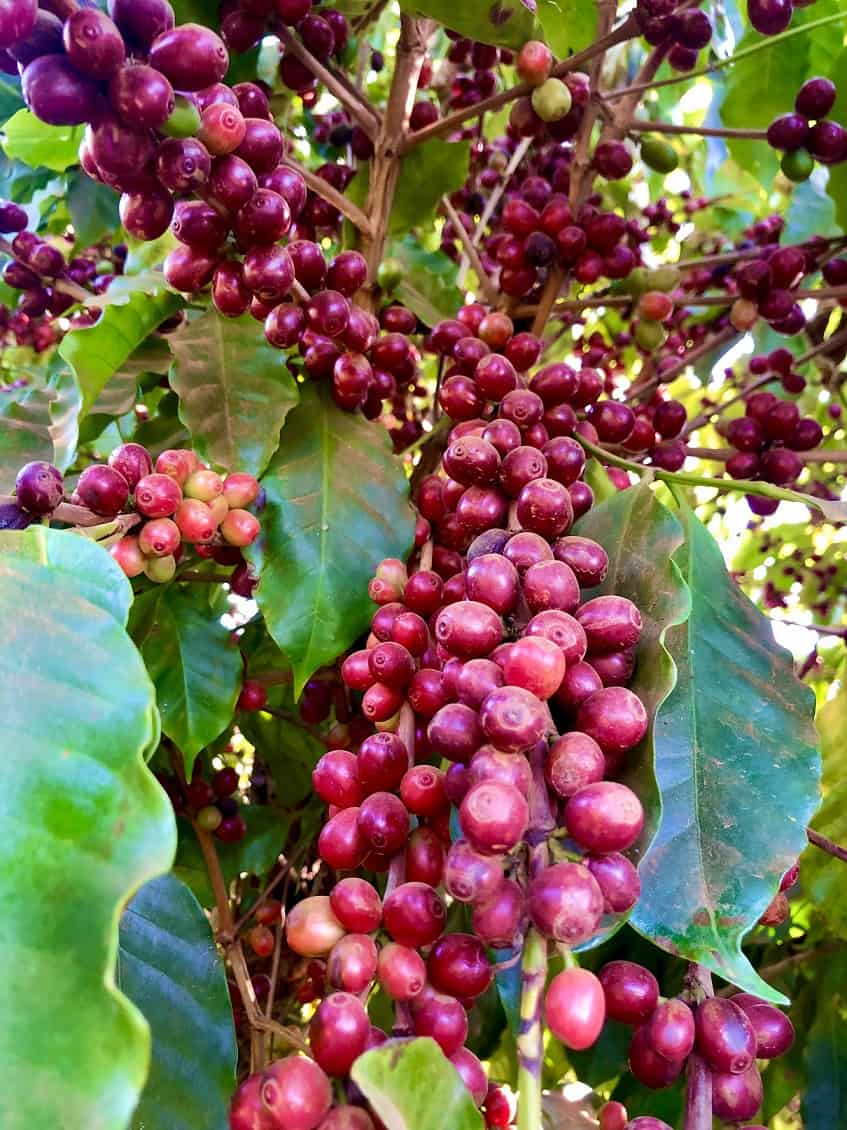
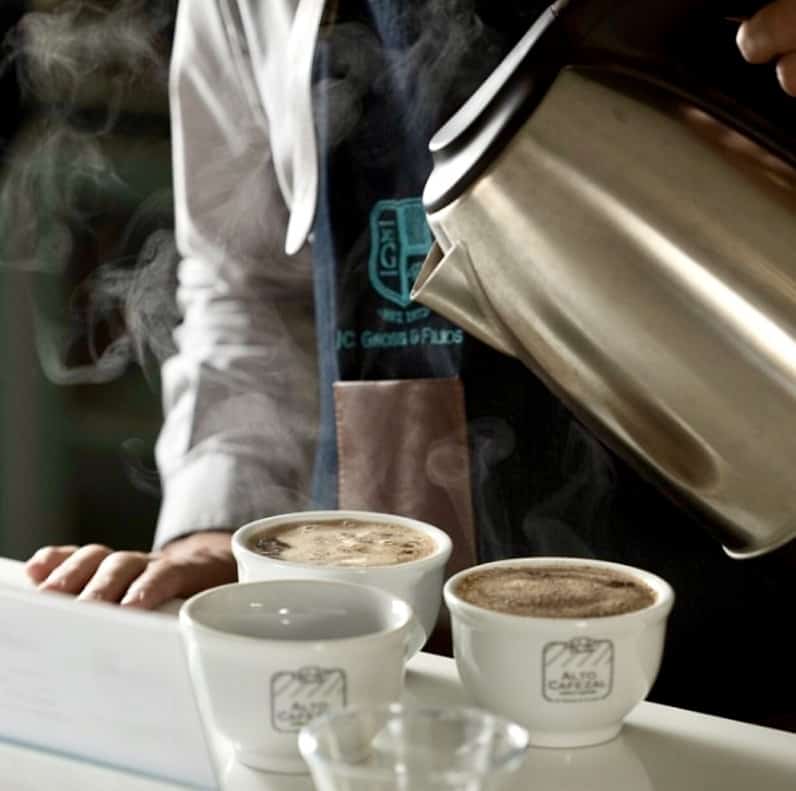
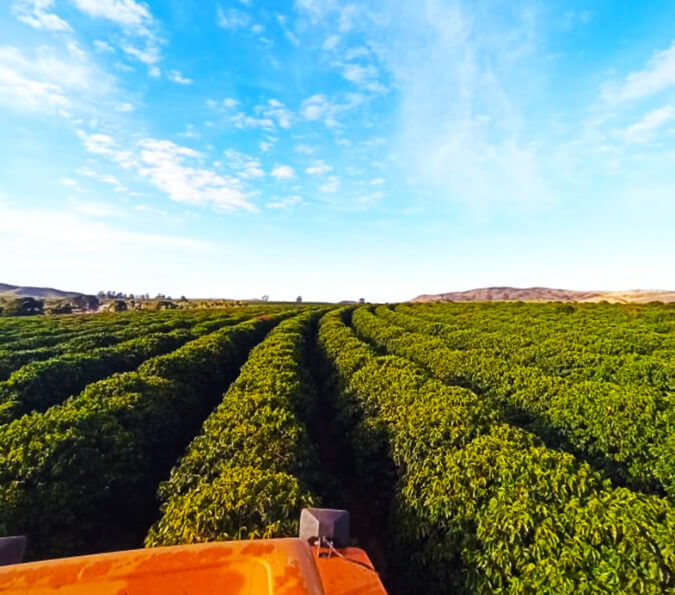
More information
Farm Size
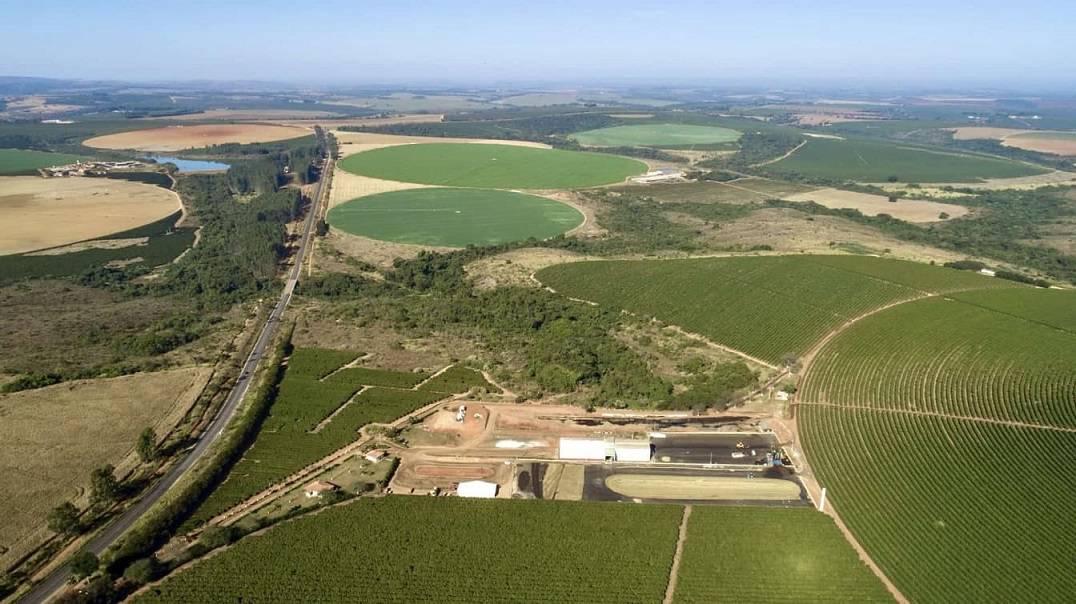
Coffee production – 2300 ha
Natural reserves – 2300 ha
Altitude
840m – 1140 m
Certifications



Region
Several Municipalities,
Cerrado Mineiro
Coffee
IBC12
IBC12 is a part of the History line, a series of coffees that refer to relevant moments in the life of the founder. In 1995, José Carlos Grossi planted his first experimental plantation in collaboration with the Campinas Agronomic Institute (IAC). He drew up a list of test varietals and named them IBC. The test varietal that stood out the most in terms of quality, productivity and bean size was number 12 – IBC12. To date, the variety has spread throughout the Cerrado Mineiro region and has recently been launched by the IAC as IAC-125 RN.
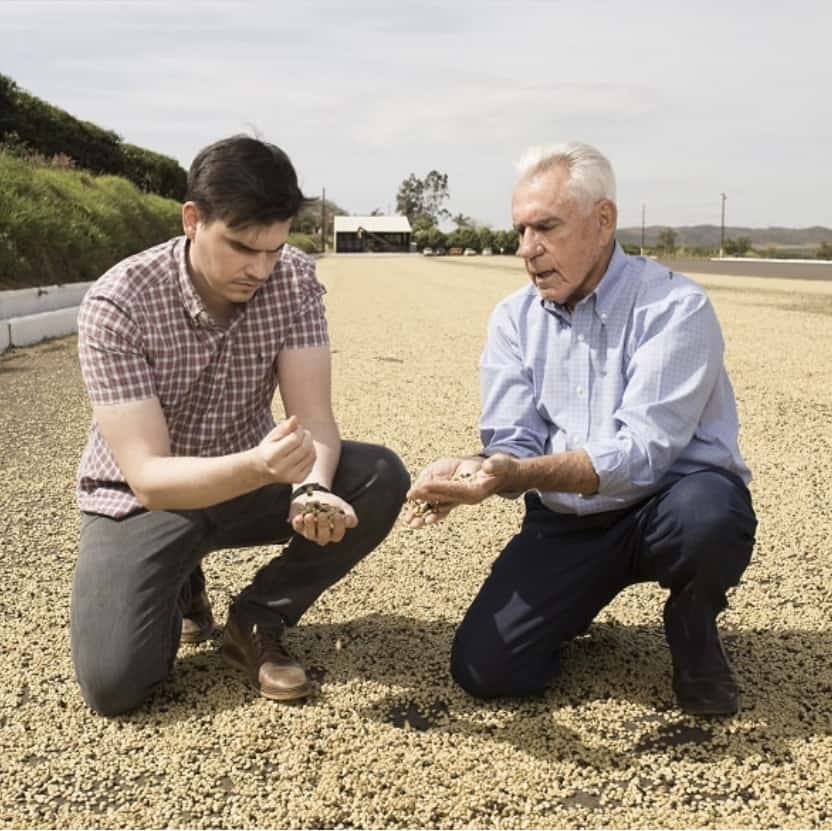
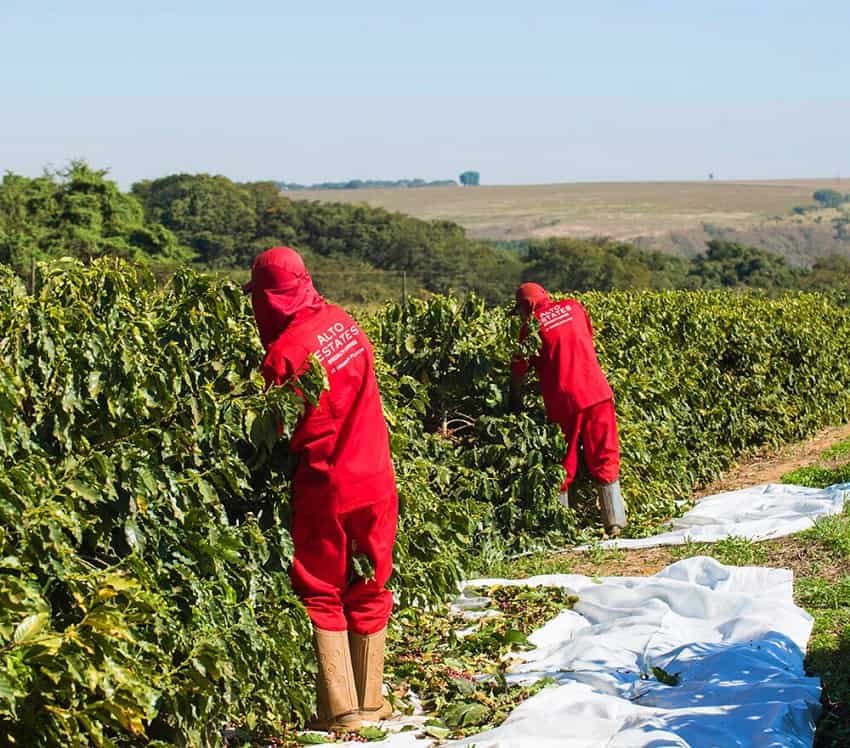
Coffee cherries are mechanically harvested when 80% reach peak ripeness. The cherries are then processed naturally in two stages: first, the cherries are dried on paved patios for 12 hours before they are put to mechanical driers for another 36 hours. Mechanical drying ensures uniform characteristics of the coffee beans, especially humidity.
VELHO MUNDO NOVO
Mundo Novo is one of the most popular varietals in Brazil, and rightly so, as it is perfect for espresso and cappuccino. It is especially dear to producers JC Grossi & Filhos, as Mundo Novo was the very first varietal that the family planted in the Cerrado in 1972. The oldest coffee plot on the family’s farms is the guardian of their history – hence the name Velho Mundo Novo, “Old New World”. The trees remain productive, keeping the tradition alive as they unite past, present, and future with each harvest. And just like wines, where the best ones come from the oldest vines, this coffee presents the characteristics of the terroir with an intense and complex profile.
The coffee was harvested when 95% of cherries reached perfect ripennes. It was then fermented aerobically for 16 hours. After fermentation was completed, the cherries were placed on concrete patios for 16 hours, before they were put in mechanical driers for 36 hours. This drying method enhances the flavors and ensures the uniform quality of the coffee beans.
FUSCA AMARELO
The Yellow Catuai is a part of the History line, a series of coffees that refer to relevant moments in the life of the founder. José Carlos Grossi moved from Paraná in the early 70s, becoming one of the first producers in the Cerrado Mineiro region. Before becoming a coffee producer though, he had to face a difficult choice of selling his belongings to be able to buy his first property. He sold his Yellow Beetle car, Fusca Amarelo in Portuguese, betting it on the prosperity of his business. This enabled him to buy his first property and help write the success story of coffee in the Cerrado Mineiro region.
Coffee cherries are mechanically harvested when 80% reach peak ripeness. Part of the cherries is then depulped, leaving on the beans only a part of the mucilage. The cherries are then dried first mechanically, and then spread on the concrete patio. Fusca Amarelo is with the following notes perfect for blends: Honey, caramel, Brown sugar, creamy body, slightly citric
VINHADO
The Yellow Tupi is part of the Family Reserve line. These are micro lots that the Grossi family cultivates with great care. The effort and attention are reflected in exotic and unique flavors that can please even the most demanding coffee connoisseurs. Family Reserve are special and unique lots that surprise at every harvest. Only the ripest cherries are hand-picked, then placed in airtight containers and left to ferment anaerobically for 240 hours at temperatures below 14 °C. The cherries are then dried on concrete patios, resulting in a coffee with a crazy profile.
FRUTA MADURA
The Yellow Catucai 2SL is part of the Family Reserve line. These are micro lots that the Grossi family cultivates with great care. The effort and attention are reflected in exotic and unique flavors that can please even the most demanding coffee connoisseurs. Family Reserve are special and unique lots that surprise at every harvest. Only the ripest cherries are hand-picked, then placed in airtight containers and left to ferment anaerobically for 96 hours at temperatures below 14 °C. The cherries are then dried on concrete patios, resulting in a coffee with a gentle profile.
FONTANA
The name comes from Fontanafredda, an Italian town in the Padova region where Grossi family originates from. It recalls the courage and battles faced by their predecessors when they migrated to Brazil in the 19th century, facing difficulties and building a new history on new soil. This was also the case with the founder of JC Grossi & Filhos, José Carlos Grossi, when he took on the challenge of producing coffee in the new frontier for coffee growing in 1972, which today is the Cerrado Mineiro region.
Fontana is an estate blend, consisting of several varieties and consistent through the years. It’s a perfect coffee for every roaster looking for a coffee with consistently heavy body and classic notes of dark chocolate, nuts, caramel.
Click HERE for complete Offer List.
Contact Grossi family
Have a question about a specific coffee? Write José Carlos and start developing a relationship with him.